



viso.ai
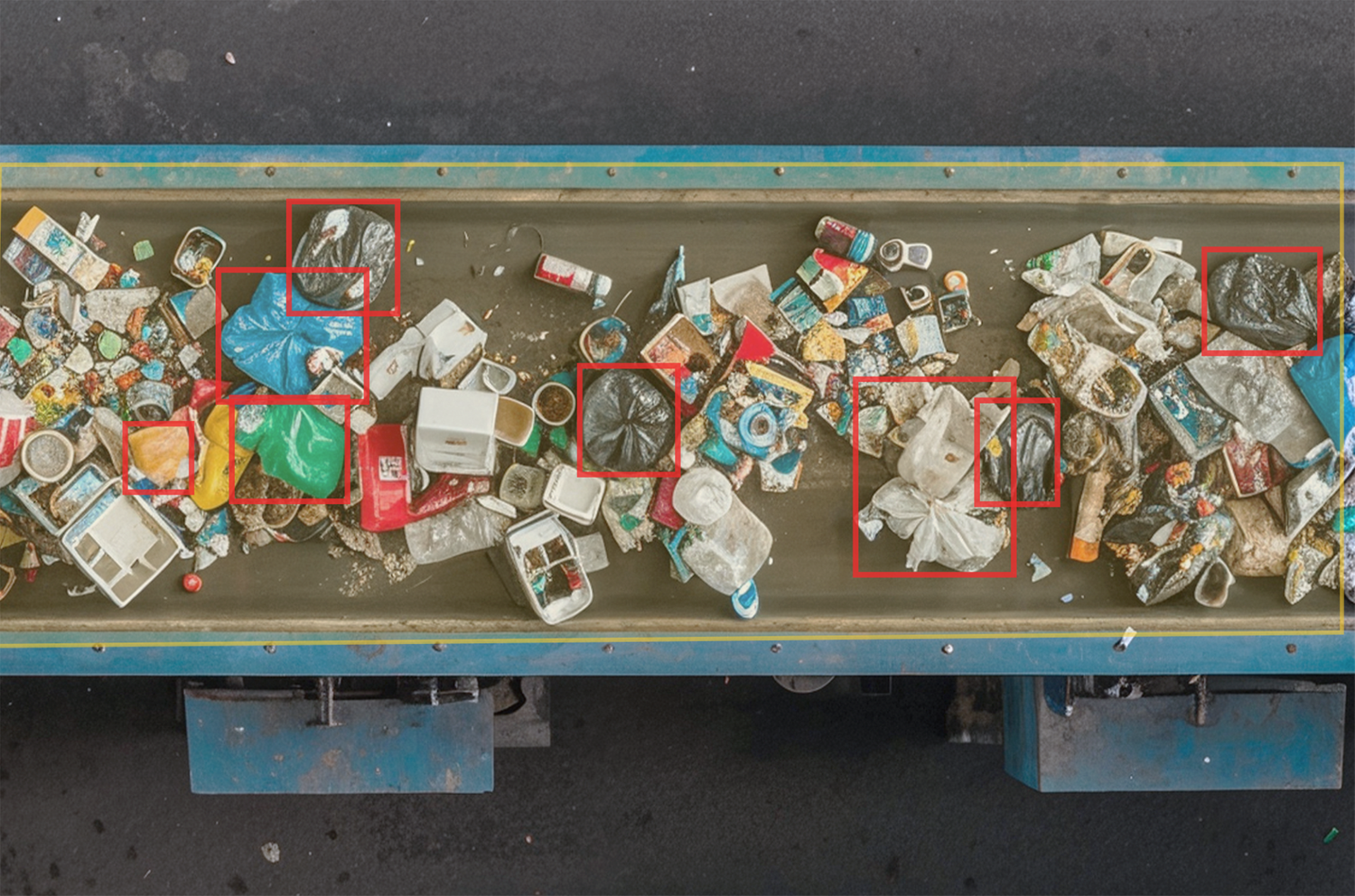
For the circular economy, that visibility matters. Recycling, recovery, and remanufacturing depend on knowing what materials are present, where they go, and how well they are sorted. Computer vision can identify materials on the line, observe how they move through a facility, and highlight contamination as it occurs. Teams can act on that information quickly, which improves sorting consistency, reduces contamination in recycling streams, and supports higher recovery rates for valuable materials.
The same visual data helps teams run leaner operations. It shows where bottlenecks form, where equipment sits idle, and where materials are lost or handled more than necessary. With a clearer picture of how work happens on the ground, organisations can remove waste from their processes and improve performance step by step.
Computer vision also strengthens health and safety. Recycling and waste facilities involve heavy machinery, moving vehicles, and fast-paced manual work. Camera-based monitoring can detect unsafe situations as they happen, so teams can respond before issues escalate and maintain safer conditions for employees and partners.
viso.ai helps organisations put this visual intelligence to work. The result is safer workplaces, less waste, and measurable progress towards circular and sustainability goals.